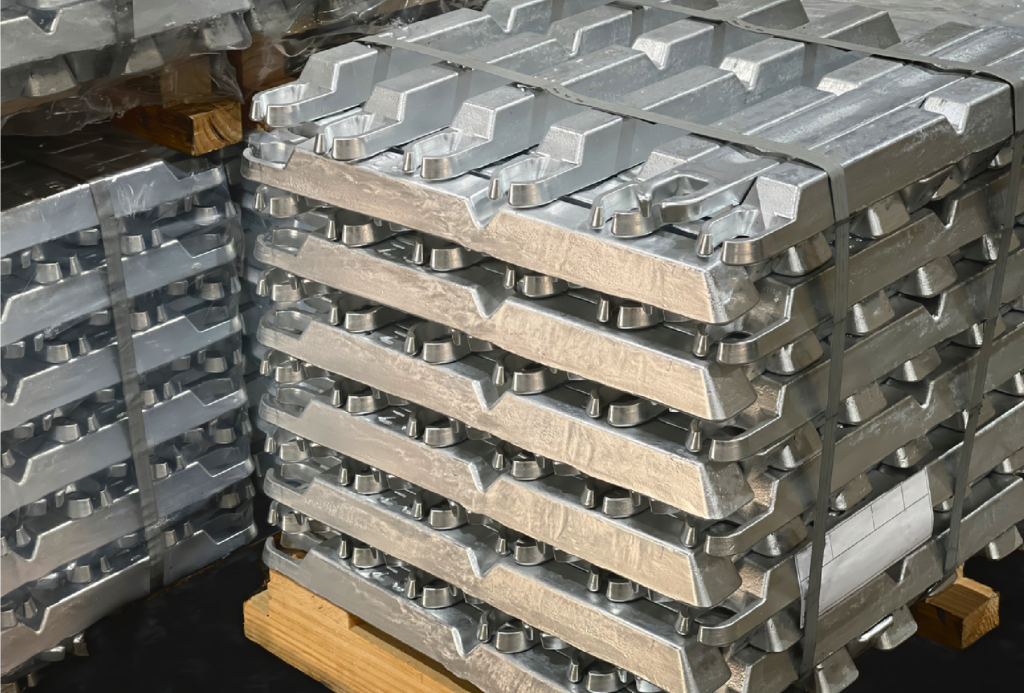
Aluminum ingots are a primary form of aluminum that is used in various industries, including automotive, aerospace, construction, and packaging. Aluminum ingots are produced through a process of smelting and casting, and their quality is determined by their chemical composition, physical properties, and surface finish.
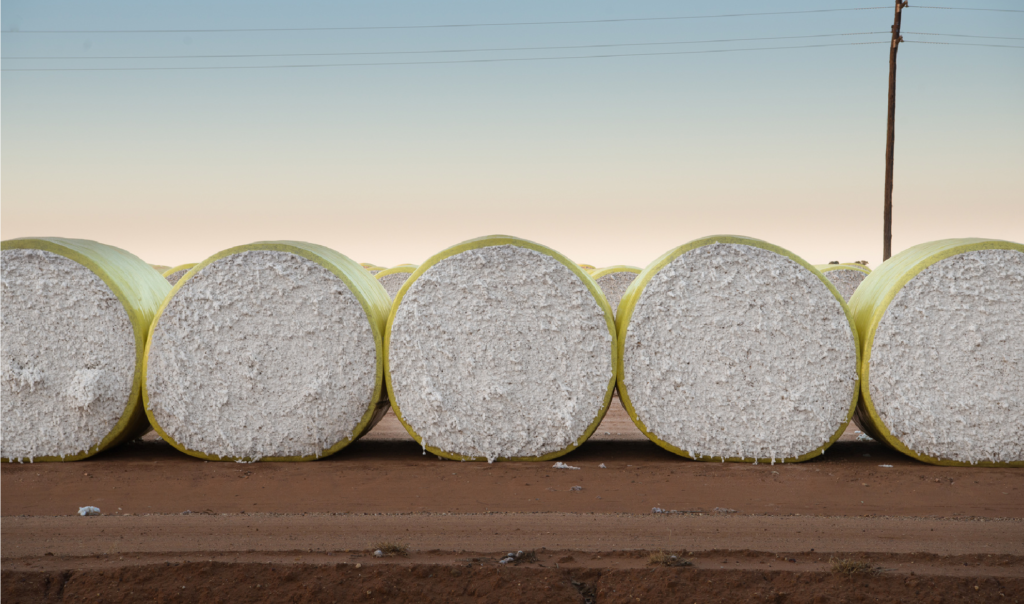
Raw cotton bales are a primary form of cotton that is produced through a process of ginning and baling. Raw cotton bales are used as a raw material for various industries, including textile, apparel, and home furnishings.
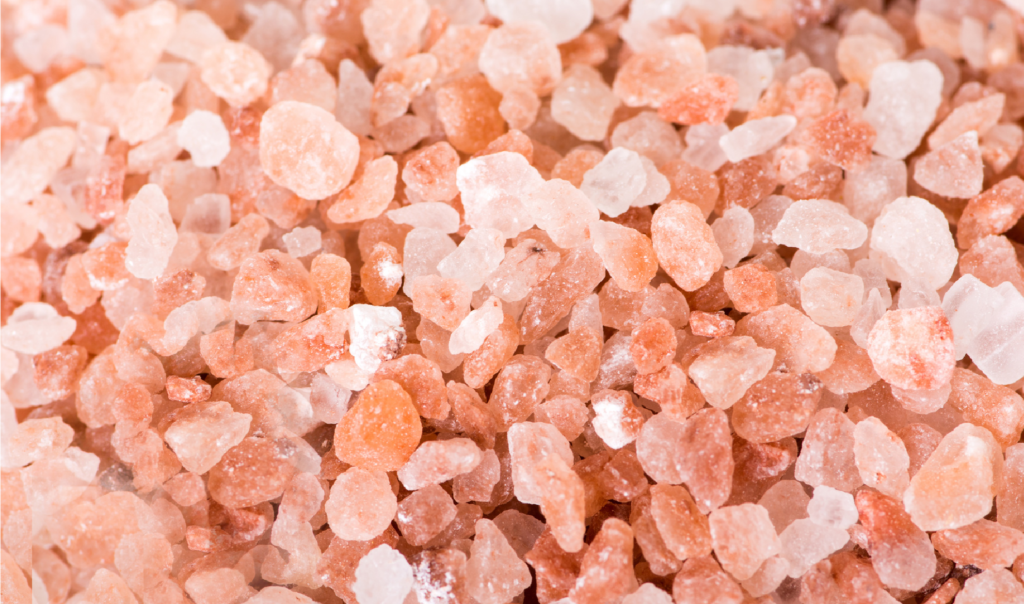
Pink salt, also known as Himalayan pink salt, is a natural and unique form of salt harvested from ancient salt deposits in the Himalayan region. Its distinctive pink hue, attributed to trace minerals like iron oxide, has made it increasingly popular in recent years.
Pink salt has gained recognition in culinary and wellness circles, thanks to its purported health benefits and aesthetic appeal. Its mineral-rich composition, including calcium, magnesium, potassium, and iron, contributes to its distinct flavor profile and nutritional value.
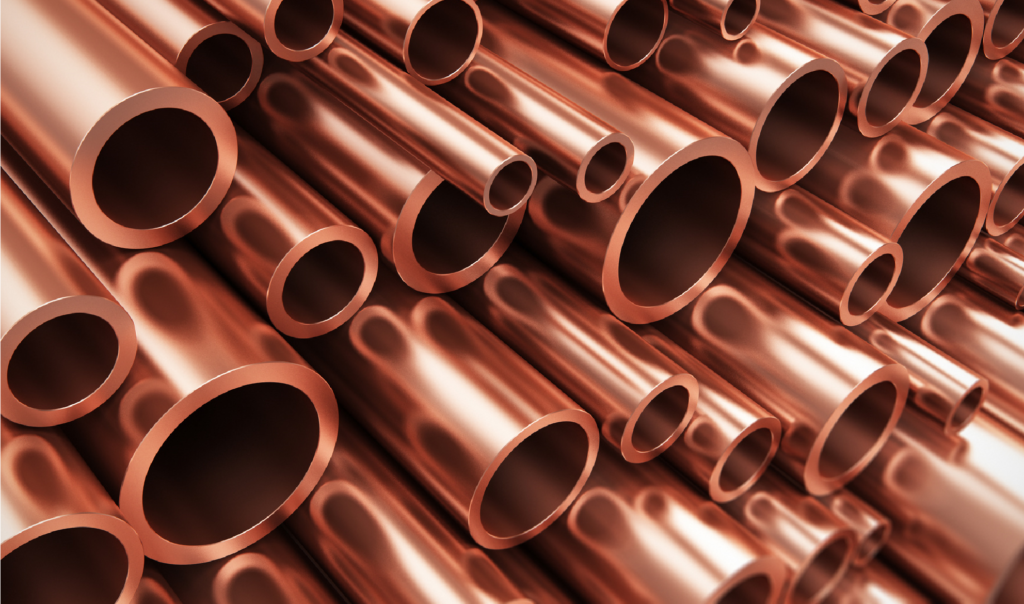
Copper is a versatile and widely used metal known for its excellent conductivity and corrosion resistance. There are three main types of copper: copper millberry, copper scrap, and copper cathode.
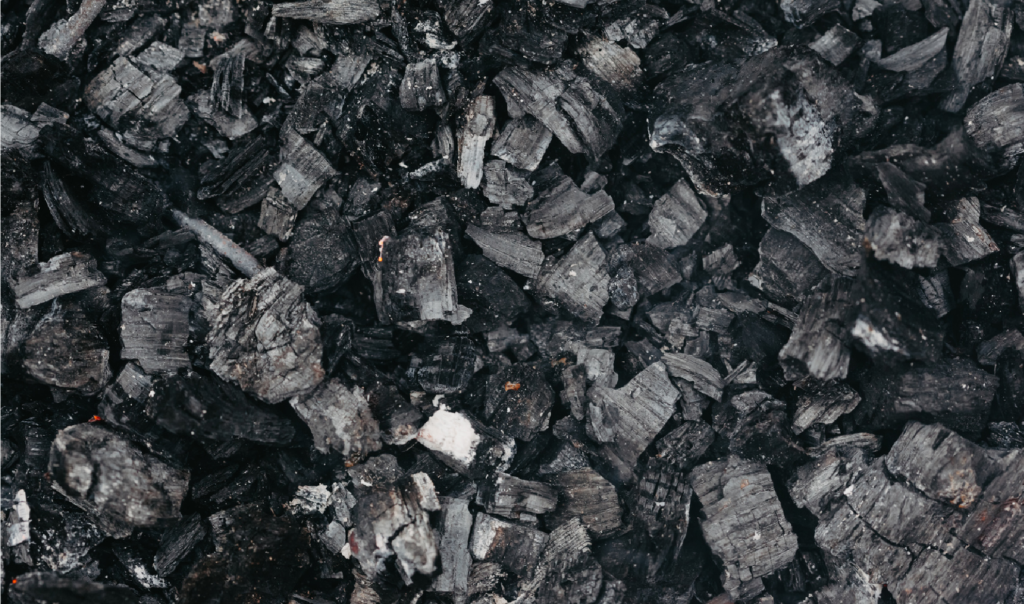
Coal is a fossil fuel formed from the remains of ancient plants that lived millions of years ago. It is one of the most abundant and widely used sources of energy worldwide. Coal’s formation occurs through a process known as coalification, which involves the gradual transformation of organic matter under high pressure and temperature over time.
Coal is a combustible black or brownish-black sedimentary rock.
It is primarily composed of carbon, along with varying amounts of hydrogen, oxygen, nitrogen, and sulfur.
Different types of coal exist, including anthracite, bituminous, sub-bituminous, and lignite, which vary in carbon content and energy value.
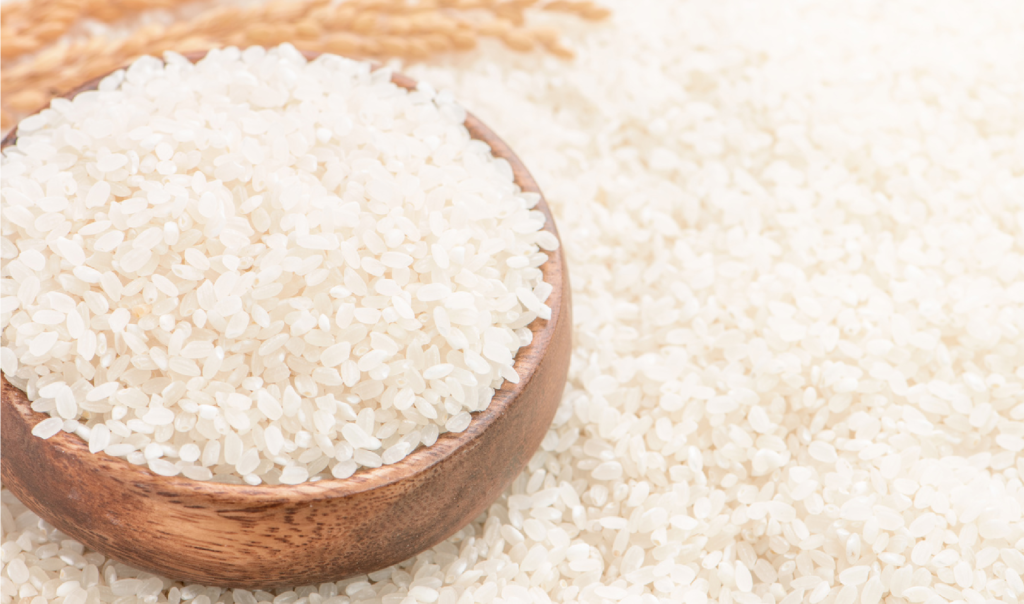
Rice varieties like IRRI 6 and SELLA 1122 are popular types of rice known for their distinct characteristics and widespread availability in the market.
IRRI 6 is a long-grain rice variety that originated from the International Rice Research Institute (IRRI). It is widely cultivated in regions such as Pakistan, India, and Thailand. IRRI 6 is known for its affordable price, making it a preferred choice for households and food businesses. It has a moderate cooking time, fluffy texture, and a pleasant aroma when cooked.
SELLA 1122, on the other hand, is a parboiled rice variety that undergoes a steam and drying process before milling. Parboiling helps retain nutrients in the rice grain and enhances its cooking properties. SELLA 1122 rice is predominantly cultivated in Pakistan and is popular for its long and slender grains, as well as its ability to remain separate and non-sticky when cooked.
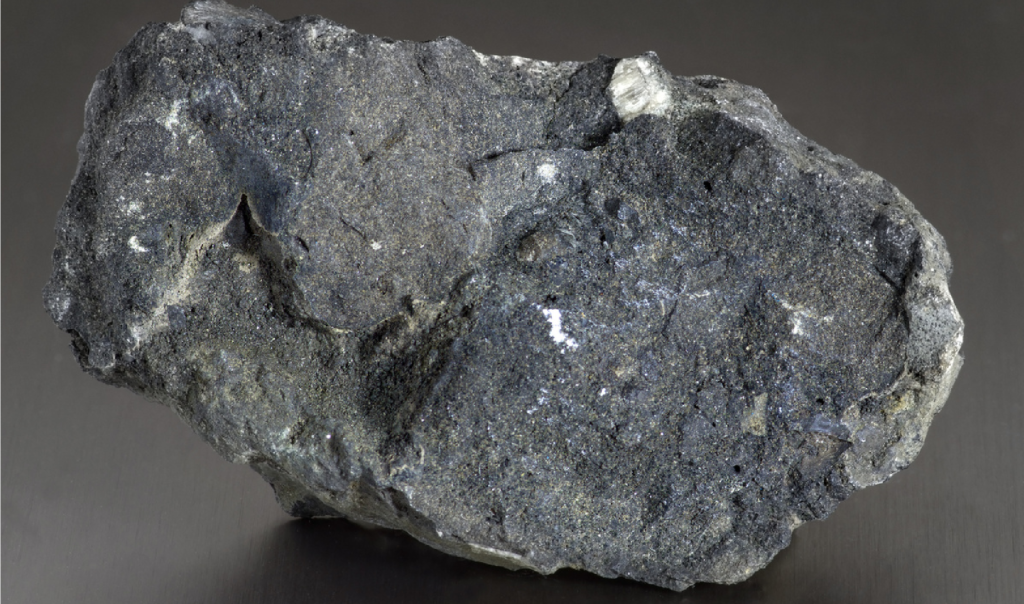
Rock phosphate is a natural mineral that is primarily used as a source of phosphorus for agricultural purposes. It is a sedimentary rock composed of calcium phosphate, along with traces of other minerals such as silica, iron, aluminum, and fluorine.
As a fertilizer, rock phosphate is highly valued for its phosphorus content, which is an essential nutrient for plant growth and development. Phosphorus plays a crucial role in promoting root development, seed formation, and overall plant vigor. It is particularly beneficial for crops that have high phosphorus requirements, such as fruits, vegetables, and grains.
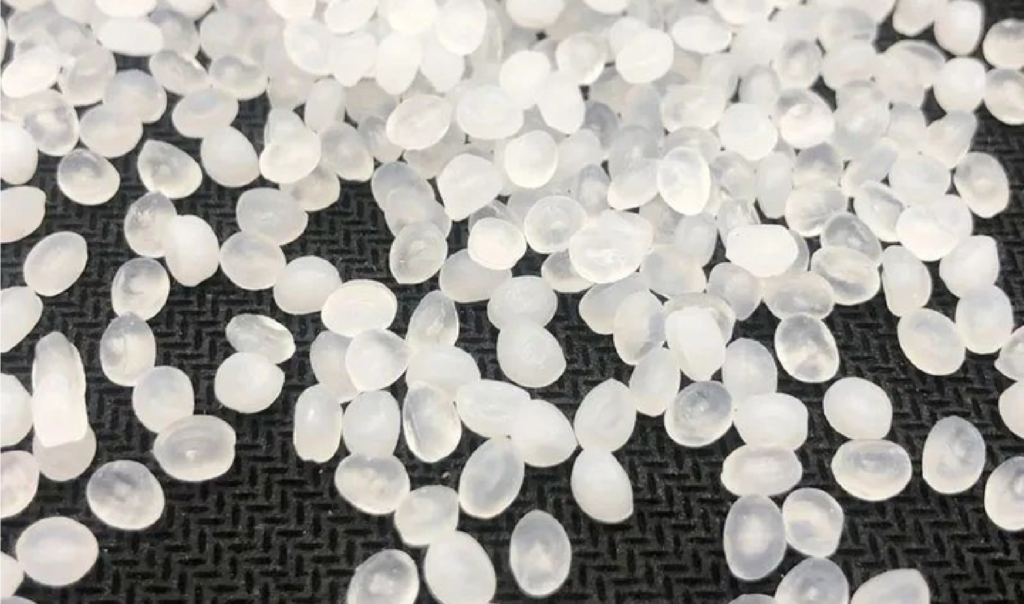
LLDPE, PP, and HD are three types of thermoplastic polymers widely used in various industries due to their distinct properties and versatility.
LLDPE (Linear Low-Density Polyethylene) is a flexible and durable polymer with high tensile strength. It is known for its excellent impact resistance and ability to withstand harsh environmental conditions. LLDPE is commonly used in packaging films, plastic bags, liners, and other applications where flexibility and toughness are required.
PP (Polypropylene) is a versatile polymer with a wide range of applications. It has a high melting point, good chemical resistance, and excellent stiffness. PP is used in packaging, automotive components, household goods, and medical devices, among others. Its versatility, affordability, and ease of processing make it a popular choice in various industries.
HD (High-Density Polyethylene) is a rigid and tough polymer known for its strength and excellent chemical resistance. HD is commonly used in applications that require durability and impact resistance, such as pipes, bottles, containers, and automotive parts.
Soapstone is a type of metamorphic rock that is composed primarily of talc, with varying amounts of other minerals such as chlorite, micas, amphiboles, and pyroxenes. It is named for its soapy texture and feel, which is due to the high talc content.
Soapstone is typically gray, blue, green, or brown in color, and has a soft, smooth texture. It is relatively soft and easy to carve, making it a popular material for sculptures, carvings, and other decorative objects. It is also used for countertops, sinks, and other architectural features due to its resistance to heat and staining.
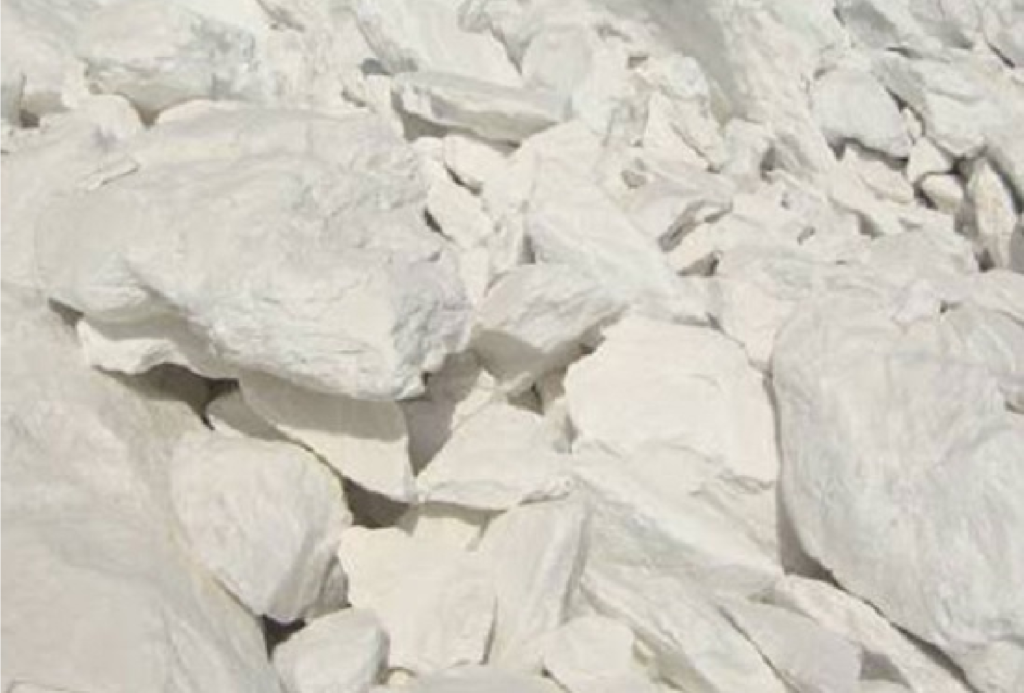
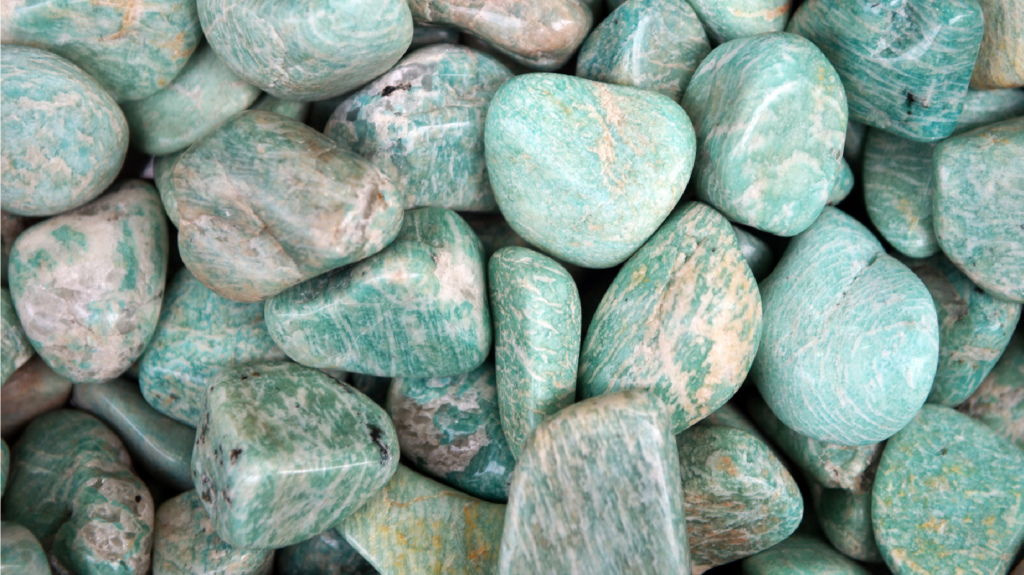
Feldspar is a group of minerals that are commonly used in various industrial applications, including ceramics, glassmaking, and as a filler in paints, plastics, and rubber products. In a business profile.
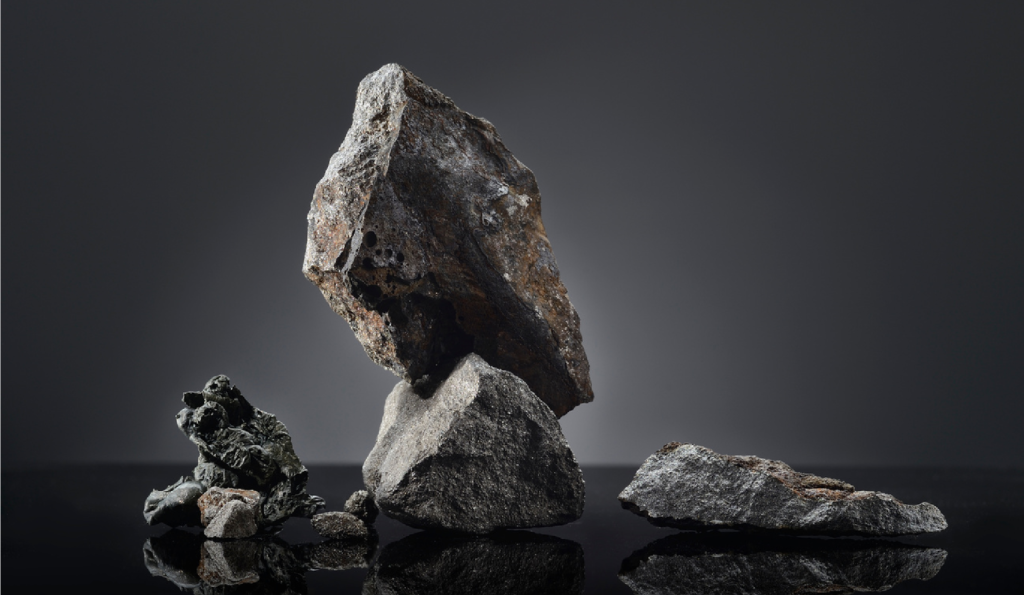
Iron ore is a mineral that is used as a raw material for the production of iron and steel. Iron ore is mined from the earth and processed into various forms, including pellets, fines, and lump.
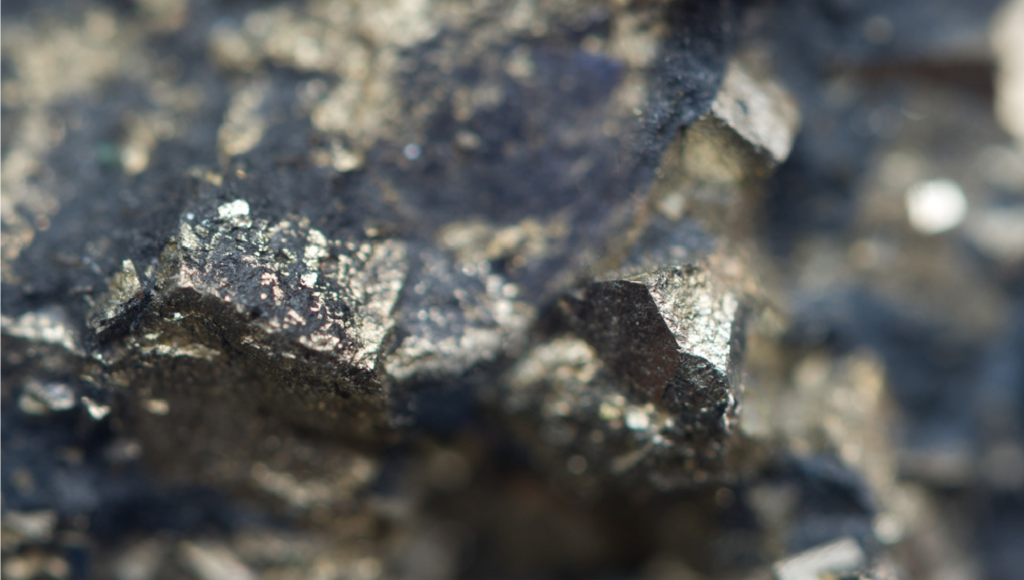
Chrome ore is a natural mineral that is commonly used in the production of ferrochrome, which is a key raw material used in the production of stainless steel. In a business profile,
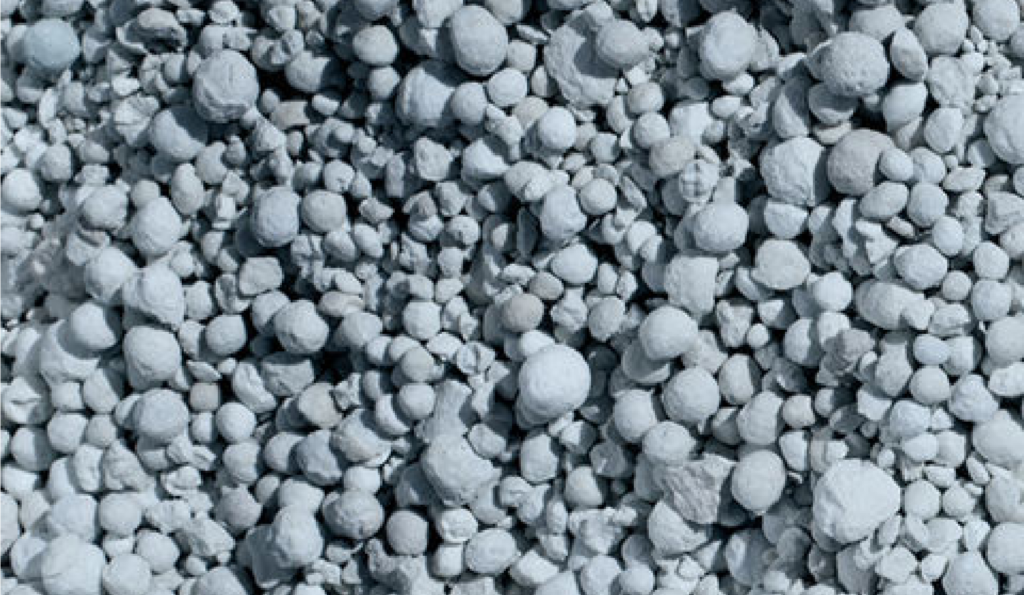
Cement clinker is a key ingredient used in the production of cement. It is a granular substance that is made by heating limestone and other raw materials in a kiln at high temperatures until they fuse together into small, gray or black nodules known as clinker.
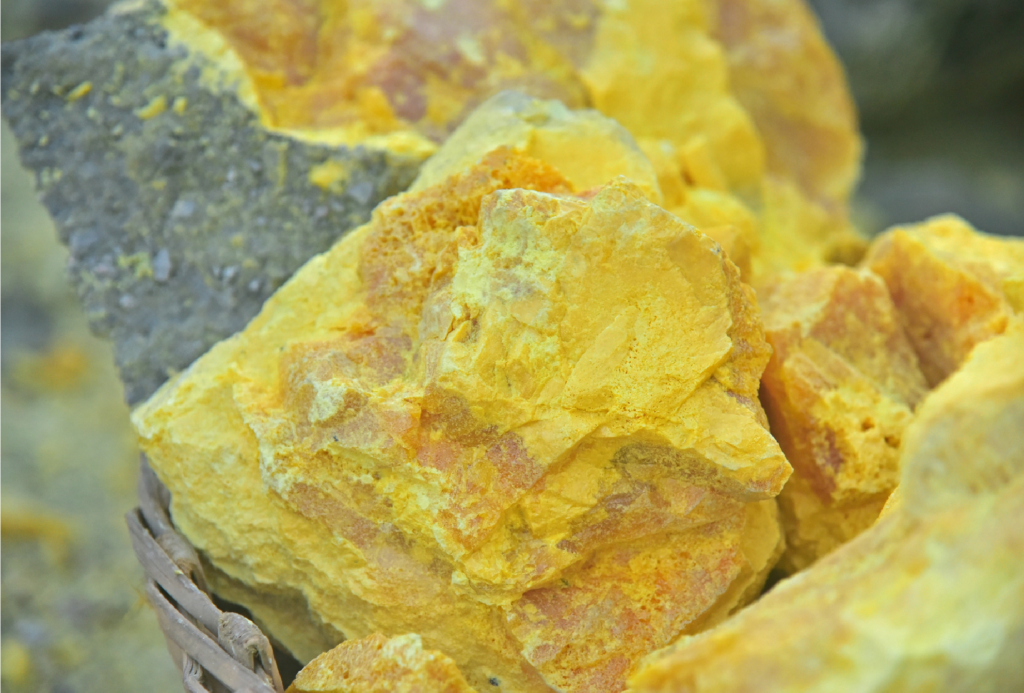
Sulfur is commonly used to make sulfuric acid, which is used in a number of different industries. Specifically sulfuric acid is used to make fertilizers and lead acid batteries, As well sulfur is used in the production or inorganic chemicals, matches. Explosives, cement and glass .